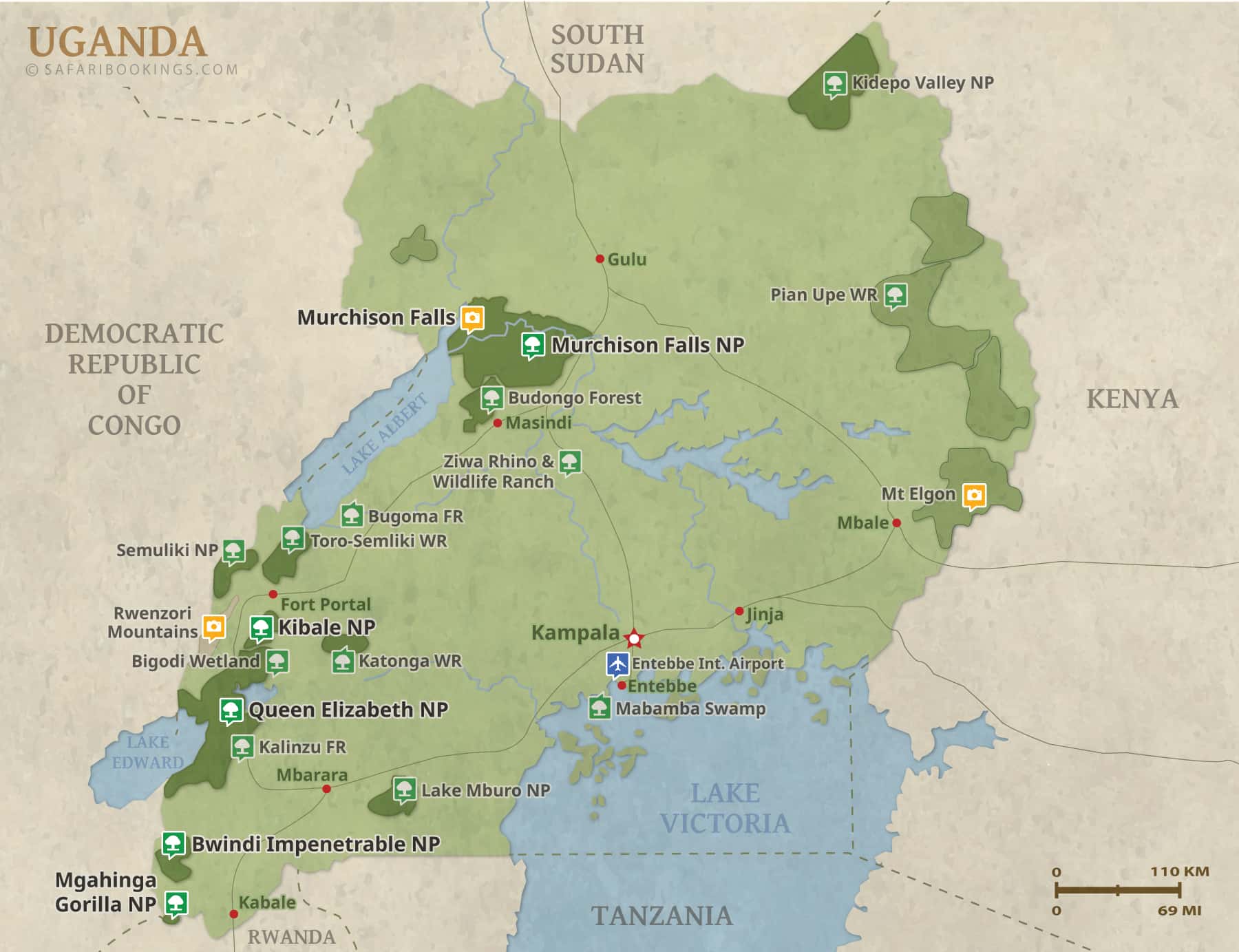
This tour will take you through Queen Elizabeth National Park, with a variety of different species of mammals and birds, and the famous Kazinga Channel for boat cruising. Queen Elizabeth National Park is definitely among the world’s most bio-diversified wildlife sanctuaries featuring leopards, chimpanzees, hippos, African elephants, and Cape Buffaloes, not forgetting the beautiful lunch cruise along the Kazinga Channel.
The best time to visit Uganda is from June to August and December to February, which are the Dry seasons. Wildlife viewing is at its peak then. Primate walks in the forest are a big part of any safari in Uganda. The habitat of rainforests is, by default, very wet, and you can’t avoid rain completely. However, after heavy rain, the skies often open up to bright sunshine.
Uganda is a safe country to visit, especially when your part of an organized game drive with private guides, as you will be with us. These tours are designed to enhance your safety and provide you with a well-guided experience. There are, of course, some places to avoid in big cities like Kampala or Entebbe. But – as with everywhere else in the world – you’ll be fine by taking some precautions. Just some examples to be on the safe side, pun intended, don’t explore the city at night without a driver or guide, keep your valuables close to you, avoid wearing prominent and visible jewelry, and leave some things like passports in the hotel safe.
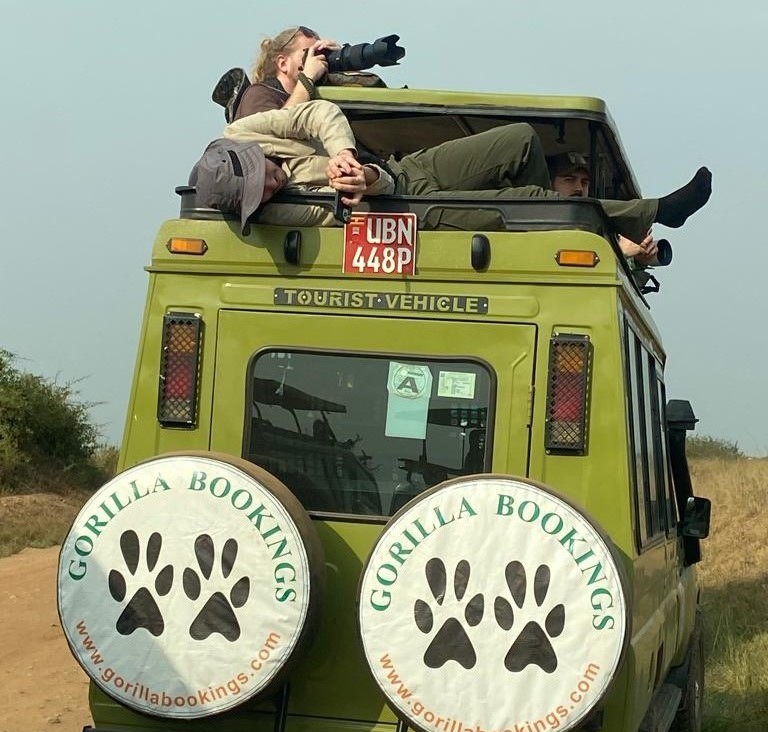
This is an exclusive, private safari that allows you to travel at your own pace. This trip is made just for you, exactly as you want it! Our experienced travel consultants, along with our knowledgeable guides, will make sure that your wishes come true. There are numerous advantages to such a trip. First, you can cruise around in a private safari vehicle and have a personal guide. It’s completely up to you what time you leave in the morning and when you come back (taking into account your guide’s advice, of course). Secondly, once you’re in a national park, you can observe specific animals or herds for as long as you like. No one will push you to move along. And lastly, knowing your wishes, your personal guide will give you the right tips, turning your trip into an unforgettable experience in Africa.
At Gorilla Bookings Uganda, we’re all about co-creating your perfect journey. When you plan your African adventures with us, you’re not just booking a trip but embarking on a personalized experience. We start by understanding your wishes and preferences and won’t stop until every aspect of your journey aligns perfectly with your vision. Our team works closely with you to ensure your entire trip is tailored to your satisfaction. For added convenience, we offer a selection of our most popular African safari Tours & Holidays as a starting point for your consideration.
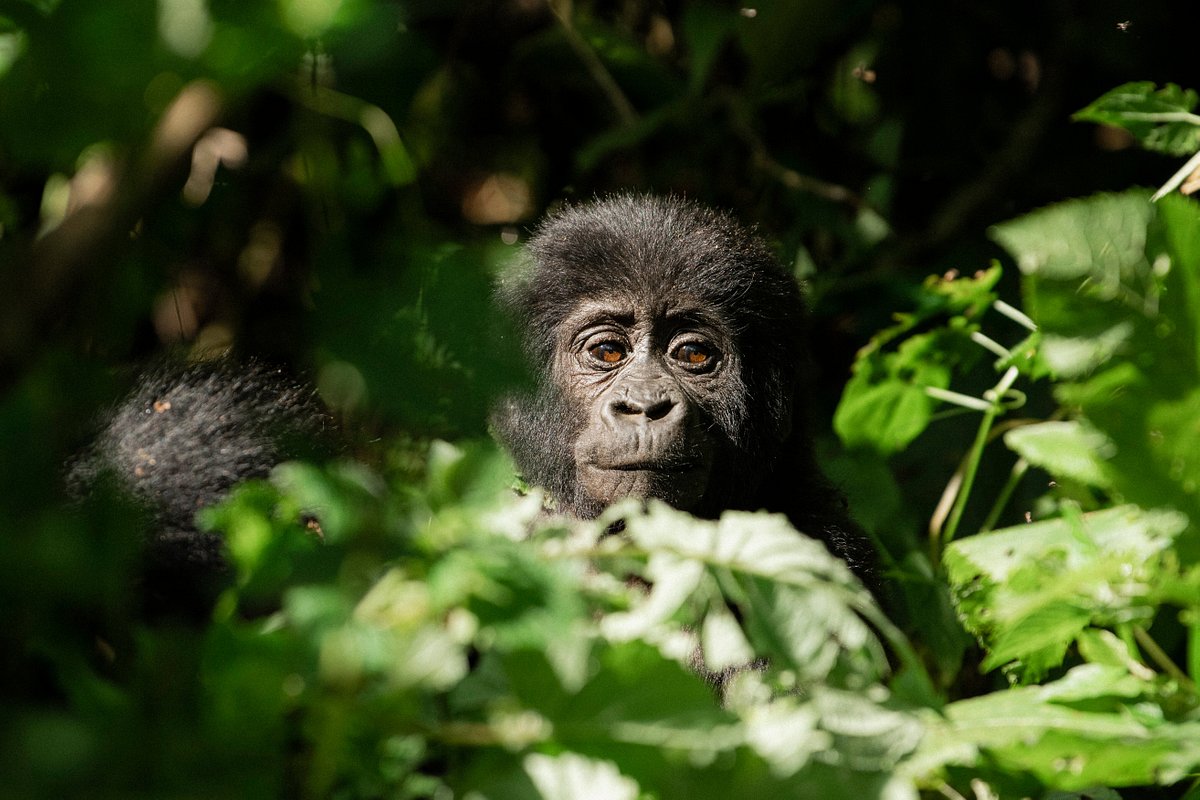
Yes, yes, yes! Not only the Big Five pose for your pictures, but also Rhinos, hyenas, hippos, zebras, Giraffes, or the unique Ugandan kob. And then there’s the birdlife-with more than 1,000 species of all kinds and colors, Uganda is a birdwatcher’s paradise. And if you love primates, Uganda clearly is your place to be: the diverse jungles are home to as many as 24 species of monkeys, from the nocturnal to the beautifully colored blue monkeys and the breathtaking mountain gorillas and Chimpanzee in their Natural Habitat.
| 2 Persons | 4 Persons | 6 Persons |
| $0000 USD | $0000 USD | $0000 USD |
| 2 Persons | 4 Persons | 6 Persons |
| $0000 USD | $0000 USD | $0000 USD |
| 2 Persons | 4 Persons | 6 Persons |
| $0000 USD | $0000 USD | $0000 USD |
This tour will take you through Queen Elizabeth National Park, with a variety of different species of mammals and birds, and the famous Kazinga Channel for boat cruising. Queen Elizabeth National Park is definitely among the world’s most bio-diversified wildlife sanctuaries featuring leopards, chimpanzees, hippos, African elephants, and Cape Buffaloes, not forgetting the beautiful lunch cruise along the Kazinga Channel.
Breakfast for day one will be provided at the hotel or your place of residence, followed by a meet, and greet and briefing on the 3 days of the Queen Elizabeth Tour by our driver. There will be a number of stopovers including at the Uganda Equator along Masaka road. Here you will be able to stand in both the northern and southern hemispheres and also experiment with how water swirls in different directions when placed in the northern and southern hemispheres. Take photos and even buy some of the beautiful souvenirs. Head straight to the lodge.
Start the day with early game drives that expose us to diverse animals including the Big Five—elephants, buffaloes, big cats- lions, leopards, and rhinos. More times in the evening, warthogs, and hunchback carnivals like hyenas are spotted along the circuits as we drive along, and many more species that are residents to this park. There is a rich birdlife especially our version of storks in the wetland spots as we reach the flamingoes in the salt lakes at Kasenyi.
Enjoy a boat cruise on the famous Kazinga Channel, a 36km channel linking Lake George and Lake Edward. Here you’ll see land and water-adapted hippos yawning, the National Geographical Society killing machine, the Nile crocodile, gaping along the banks, and the savannah version of pigs, the warthog-Pumba are a hallmark sign in this animal home. With your binoculars along the peninsula, you’ll have a magnificent view of birds and animals like the ever-playing African elephants in the water.
Start the day with early game drives that expose us to diverse animals including the Big Five—elephants, buffaloes, big cats- lions, leopards, and rhinos. More times in the evening, warthogs, and hunchback carnivals like hyenas are spotted along the circuits as we drive along, and many more species that are residents to this park. There is a rich birdlife especially our version of storks in the wetland spots as we reach the flamingoes in the salt lakes at Kasenyi.
Enjoy a boat cruise on the famous Kazinga Channel, a 36km channel linking Lake George and Lake Edward. Here you’ll see land and water-adapted hippos yawning, the National Geographical Society killing machine, the Nile crocodile, gaping along the banks, and the savannah version of pigs, the warthog-Pumba are a hallmark sign in this animal home. With your binoculars along the peninsula, you’ll have a magnificent view of birds and animals like the ever-playing African elephants in the water.
Lemosho Route 9 Days approaches Mount Kilimanjaro through forest and moorland from the west of the mountain, crossing the caldera of Shira volcano and exploring the rock formations of the plateau, before traversing beneath the Southern Ice Fields of Kibo. We make our final ascent by the Barafu Route, There are often stunning views of Kibo in the sharp light of morning and early evening. The Lemosho Route 9 Days itinerary gives the absolute maximum possible acclimatization.
Day 1: Kilimanjaro Airport to Moshi
Pick up from Kilimanjaro International Airport and transfer to Moshi town which is known as the gateway to Kilimanjaro. Meet your guide and review your equipment in the evening in preparation for the trek the following day.
Day 2: Mti Mkubwa Camp
(2900 m/9,500 feet), 6 km/4 miles (3 to 4 hours)
It is between 3 and 4 hours of driving to reach Londorossi Gate the starting point for the climb. It’s an interesting drive through some remote country so keep your eye out for wildlife. Another few hours of formalities with the park rangers at the gate and you will be on the trail. The trail goes through the lowland forests where you’re likely to spot the large Colobus monkeys which are fairly common.
Day 3: Shira 2
(3875 m/12,715 feet), 16 km/9 miles (7 to 8 hours)
The first part of the days trek is fairly steep as you climb up out of the jungle and into the moorland ecosystem dominated by Giant Heathers and a variety of grasses and wildflowers. You will first reach Shira Ridge before the trail continues slightly downhill across the broad expanse of the Shira Plateau to Shira 1 Camp for rest and lunch. We then continue on to Shira 2 camp across the Shira Plateau, and can admire the Western Breach if the skies are clear. Today’s long day allows us more time to acclimatize at the higher camps with shorter days before our big summit day.
Day 4: Barranco Camp (3,983 m/13,066 feet), 10km/6 miles (5 to 8 hours)
Leaving Shira 2 in the morning, you climb towards the main peak, Kibo, with the western glaciers visible across the rugged high-altitude desert of volcanic rocks and boulders. The trail ascends to the Lava Tower site (15000 feet / 4600m) before descending back down into Barranco Valley. The area before the campsite is known as the “Garden of the Senecios”, which features many huge senecio plants as well as the shorter lobelia plants. Its 7 to 8 hours walking and the total ascent is only 110m total but having climbed much higher and dropped back down assists acclimatization.
Day 5: Karanga Camp
(13,066 feet/3,983 m), 5 km/3 miles (4 to 5 hours)
Today consists of a challenging climb up the steep Barranco wall (some scrambling but not technically difficult), easily one of the highlights of the trek. You’ll be able to admire the majestic views at the top before dropping into the Karanga Valley where we will break for lunch and spend the second half of the day resting and acclimatizing.
Day 6: Barafu High Camp
(15,239 feet/4,645 m), 5 km/3 miles (4 to 5 hours)
Today, we make our final push to Base Camp, and we see our longer early days paying off on this day. Arriving to Barafu at lunch time allows us to spend the day resting our legs and preparing for the big push to the roof of Africa. After a hearty dinner, you will retire to your tents for a little shut eye before we begin our climb at midnight.
Day 7: Uhuru Peak Altitude
(5895 m/19340 ft) Walking Distance: 5 km/3 miles ascent + 12 km/7 miles descent (10-16 hours)
The day starts at midnight with the final push to the summit. It’s a cold and grueling six hour hike to summit rim up a steep slope. The trail is doable but steep with many switchbacks. The summit rim is reached just about sunrise and it’s a fairly level hike around the rim to Uhuru Peak the ultimate summit and highest point in Africa. Going down you will head back to Barafu Hut for a short nap and snacks before continuing down to Mweka camp (3068m / 10,065feet). One of the reasons for such a long day of trekking is to avoid problems with acclimatization and get you back down to a lower elevation quickly.
Day 8: Mweka Campsite to Moshi
(3068m/10,065 feet) Walking Distance: 10 km/6 miles (3 to 4 hours)
From the Mweka campsite, it is a 4 to 5-hour descent through the forest to Mweka gate to collect certificates and meet the vehicle. Return to Moshi for the night and to have a final farewell dinner with your guides.
Day 9: Moshi
After breakfast, according to your flight time, we will drop you at the airport or assist you in catching the shuttle to Nairobi. End of our services.